AIDS Foundation East West

people image
Tajikistan Kyrgyzstan Uzbekistan Kazakhstan Moldova Ukraine Belarus Russian Federation

Where we work

AIDS Foundation East-West (AFEW) is active in the region referred to as Eastern Europe and Central Asia (EECA).

Spanning 11 times zones, and reaching from the Baltic and Black Seas in the West to the Pacific Ocean in the East, this region extends from the Arctic Ocean in the north to the Afghan, Chinese and Mongolian borders in the south. Its rich diversity features more than 300 ethnic and language groups, a vast array of climates and ecosystems rich in natural resources, and a multitude of political, economic and social issues. Current estimates place the total population for all 15 countries at approximately 270 million people. Despite broad differences, many people refer to themselves as Russian speaking.  

AFEW is currently active in eight of these former Soviet countries: Belarus, Moldova, Ukraine, Russian Federation, Kazakhstan, Kyrgyzstan, Tajikistan and Uzbekistan.

Despite the late appearance of HIV, countries in this region are now experiencing some of the fastest growing HIV epidemics faced globally. UNAIDS currently estimates that more than 1.5 million people are living with HIV in the region—although official figures still only reach the hundreds of thousands.

HIV has disproportionately affected young people across the region, many of whom engage in injecting drug use. Coupled with relatively little knowledge of how HIV is transmitted and how to engage in safer sexual and injecting practices, the HIV epidemics in individual countries continue to grow unabated. HIV has affected these countries in different ways and at different times, appearing first in Eastern Europe and gradually spreading into the Caucasian and Central Asian Republics.

Epidemiological situation & trends

  • The oldest epidemics in Eastern Europe and Central Asia are those in Russia and Ukraine, which are, by far, the largest countries in terms of population.
  • The epidemics in Belarus and Moldova, which are much smaller countries, are more recent, and, thus far, of a considerably lower magnitude.
  • Ukraine was first to reach an estimated HIV prevalence of 1.5% amongst individuals aged 15–49, a majority of which occurred through injecting drug use.
  • In this region, the HIV epidemic is changing course, as it gradually moves from injecting drug users into the general population.
  • In Russia, the proportion of reported cases of sexually transmitted HIV has grown from 6.5% in 2001 to 32% in 2006. The proportion of new cases reported among women grew from 38% in 2003 to 44% in 2006, while 80% of all HIV cases have been reported among young people aged 15–30.
  • In Belarus, recent reports indicate that there has been a shift in new infections among the general population from urban areas into the rural population.
  • Similar to the situation in other counties in this region, in Moldova, despite apparent changes in transmission patterns, the HIV epidemic is still largely concentrated amongst injecting drug users and sex workers.
  • When compared to the European States, Central Asia has relatively low levels of HIV prevalence.
  • The HIV epidemic in Central Asia is still mostly concentrated among highly vulnerable groups (i.e., injecting drug users, sex workers and prisoners).
  • Each Central Asian country has regions or cities where HIV prevalence in at least one of the most-at-risk groups exceeds 5%.
  • In Kazakhstan, newly registered HIV cases skyrocketed in 2006 after several years of relative stability. This rapid increase, however, may have less to do with the growth of the epidemic than with an increase in comprehensive HIV-testing among those most at risk.
  • In Kyrgyzstan, while the number of new cases attributed to heterosexual contact has been increasing since 2003, the principal route of transmission remains injecting drug use.
  • Uzbekistan has seen a significant increase in the number of newly registered HIV cases since 2001, with a four-fold increase between 2001 and 2006.
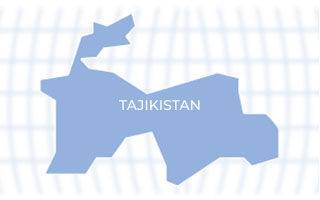
  • Prison inmates make up a large percentage of all people living with HIV in Tajikistan, representing 21% of all registered cases. The majority of those HIV-positive inmates were infected through unsafe injecting practices.


Challenges & achievements for the region

  • Universal access to HIV prevention, treatment, care and support for the most marginalised and vulnerable populations is currently insufficient across the entire region.
  • While access to anti-retroviral treatment is increasing and some centres of best practice exist in the region, most treatment centres are unable to provide adequate support for treatment uptake and adherence.
  • Most countries in the region are still dependent on foreign funds for their HIV programmes, with Estonia and Russia as notable exceptions.
  • HIV exacerbates the problem of multi-drug resistant tuberculosis (MDR-TB), for which some of the highest incidences in the world can be found in Eastern Europe and Central Asia.
  • The general principle that those in prison should have access to the same healthcare options as those which are available in the wider community has not been achieved in many areas for those who use drugs or have used drugs in the past.
  • Access to opiate substitution treatment (with methadone or buprenophine) is inadequate and/or forbidden in certain countries in the region.
  • The HIV epidemic is becoming increasingly feminised in the region, whereby a greater number of women in Eastern Europe and Central Asia are affected.
  • Young people are bearing the brunt of the epidemic: in a region already facing demographic challenges more than 75% of people living with HIV in the region are under the age of 30.
  • There is a continued lack governmental ownership of HIV programmes in some countries.


Because of the need to tackle these epidemics and issues, AFEW has taken the lead in responding to the HIV epidemics in Eastern Europe and Central Asia. Given the rapid political, social and economic transitions experienced in many of the countries, strengthening the response to HIV has also helped to build civil societies within the region, assisted in building local capacity to address the needs of those most affected, and brought attention to the need for the increased involvement of local and national-level state agencies.

Last update: 02/12/2010